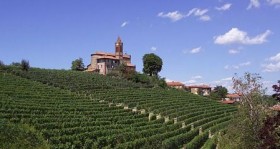
Something that I did last time I was in Barolo, that I would recommend to guests at TorreBarolo or to the Langhe in general is to drive the Strada Romantica delle Langhe e del Roero (the Romantic Road). It is an itinerary to discover some of the regional most beautiful and interesting panoramic points. Each of the 11 stopping points was chosen for its special position and view on the natural landscape of the Langhe and Roero region. Moreover, there are informative panels at each of these stopping points that relate stories about the land. Although many people come to the Langhe because of its world class wines, truffles and local delicacies, the breathtaking landscape that remains intact and unchanged will surely have you understand why the region has been proposed for the UNESCO World Heritage List.
The Strada Romantica starts off at Vezza D’Alba, which is about 20min by car from TorreBarolo, or Camerana, which is further afield from Barolo. The distances don’t seem far but given the numerous switch back roads, I would ensure you have set aside plenty of time to meander through these landscapes that vary from the lush vineyards of the Langhe to the hazelnut orchids and the hilly forest of the Alta Langa.
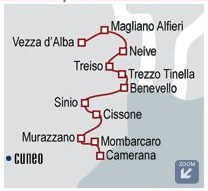 You can get here a detailed PDF map of the Strada Romantica 11 stopping points.
The panoramic stopping points consist of:
1. Vezza d’Alba: steep hills, deep gorges and cliffs: these are the famous Rocche of the Roero region, on the left side of the Tanaro River. Vezza d’Alba was built here more than one thousand years ago; the ruins of the castle that belonged to the Roero family until the 17th Century are a vestige of its feudal age. In Vezza we suggest you visit the nice Baroque Church of San Bernardino and two other interesting churches: the Parish church of San Martino and the Shrine of the Madonna dei Boschi, which is located between the hamlets of Valle Sanche and Valle Maggiore.
 2. Magliano Alfieri: it used to be the “kingdom” of the Alfieri family, who commissioned the construction of the imposing castle between 1660 and 1680 that dominates the town centre, and which was the residence of one of the most important Italian poets, the young Vittorio Alfieri. The castle, where you can also find the noble chapel of the Santo Crocefisso, is the property of the town hall.
3. Nieve: worth noting are the Clock Tower, which is the last vestige of the old castle, the Baroque Arch-Confraternity of San Michele with its precious wooden portal, Cotto’s House with beautiful ceilings and fireplaces of the 18th Century. Outside the village, along the Tinella torrent on the way to Mango, in the countryside you will also find a marvellous Romanesque bell tower, which belongs to the fascinating Church of Santa Maria del Piano.
4. Treiso: besides the classical Baroque style Parish Church dedicated to the Blessed Virgin of the Assumption, around the town stand numerous rustic chapels and commemorative pillars, among them the War memorial in remembrance of the heroes of the Resistance. In autumn in the hills of Treiso, Neive and Barbaresco, the Nebbiolo grapes are harvested, from which the renowned Barbaresco wine is made.
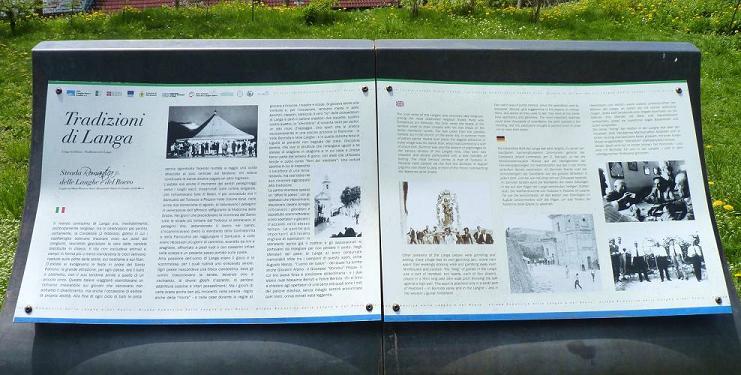 5. Trezzo Tinella: on the border between the Langhe and Monferrato, Trezzo Tinella, a tiny village set among the woods. Points of interest in the village are the Parish of Sant’ Antonio Abate, a typical Piemontese neoclassic construction with barrel vault, and the Chapel of Sant’Anna ai Fiori.
6. Benevello: it is the first point of the Alta Langa. The historic centre of Benevello has its nucleus in the square, where the castle stands, probably erected around 1100 for surveillance over the road that leads from the Langhe to Alba.
7. Sinio: this village is dominated by the castle, built on the ruins of a previous manner, destroyed by the Sforza family in 1431, it was rebuilt on the wishes of the Del Carretto family, in front of which stands the Chapel of San Sebastiano. The deconsecrated Church of the Madonna Annunziata of the 17th Century is host to the Town Theatre of Sinio.
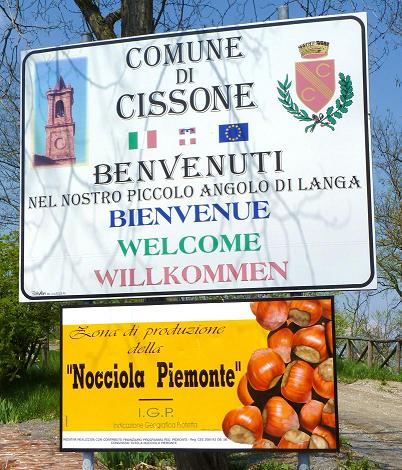
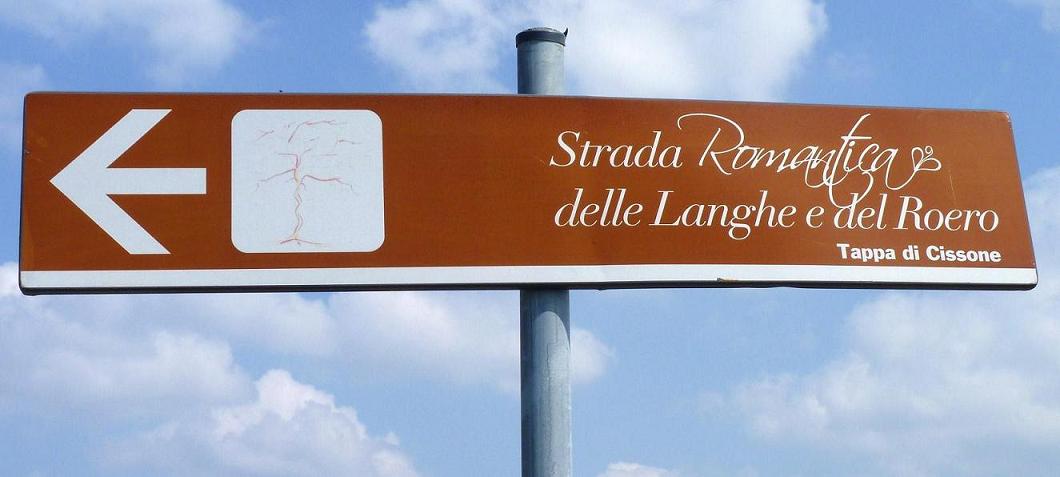 8. Cissone: this village dominates the small valley hollowed out by the Riavolo torrent. The surrounding woods are crossed by many paths where you can enjoy relaxing walks. The main village square is situated among the Brotherhood church of the Disciplinati (with an original Baroque altar), the Town Hall and the Parish Church, and is dominated by the Church dedicated to Santa Lucia.
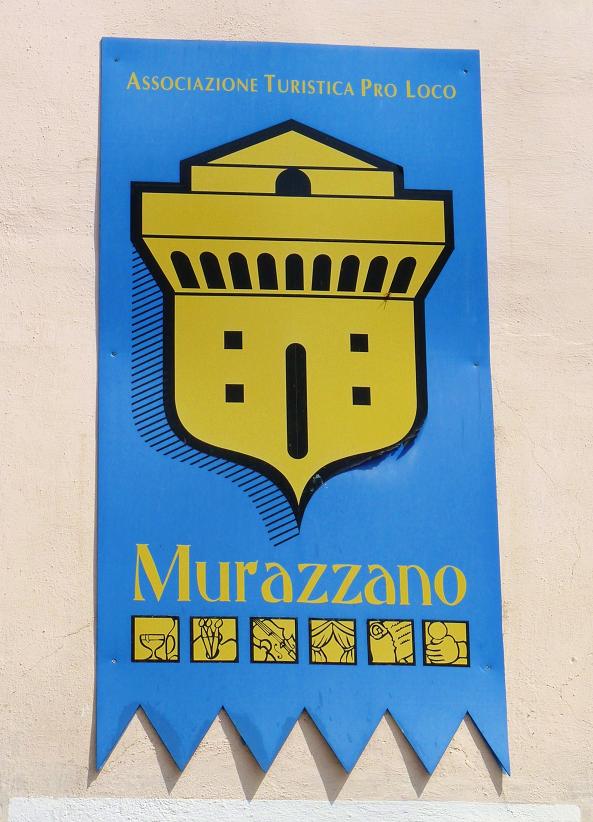 9. Murazzano: this village was built in strategic position and it has the most well-kept tower among the many watchtowers which were built on the Higher Langa hills, as the Saracens often plundered this region. The Shrine of the Madonna di Hal with the Buzignano Gate, which marked the boundary of the old town, and the Church of San Lorenzo are worth seeing; I also suggest you also visit the beautiful Tovegni Palace, which was built in an eclectic style and shows two majestic Art Nouveau dormer windows.
10. Mombarcaro: here the view opens out from the Maritime Alps to the perpetual snow of the Monte Rosa. I suggest you visit the historical and ethnographical museum, the Church of San Rocco with the “Cavalcade of the deadly Sins”, the beautiful frescos by Antonio Ocello from Ceva and the Sanctuary of the Madonna delle Grazie (in the hamlet of San Luigi).
11. Camerana: this village is made up of various hamlets extending on to a broad valley along the Bormida River from Bormida valley to the upper Belbo valley. The Baroque Church of S.S. Annunziata with its precious high altar made of fine polychrome marble mosaics and the peculiar leaning bell tower is worth visiting. The nature of the region will surprise you: the Riserva Naturale (Wildlife Sanctuary) Sorgenti del Belbo, which is located among the villages of Montezemolo, Camerana and Saliceto, is a particular, unique and uncontaminated part of the Langhe. The area is perfect for trekking, horse riding and cross-country skiing in the winter.



 Our friend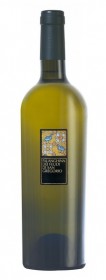
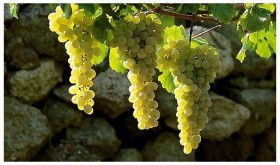 It seems that every region in Italy has its staple red and white wine. For those next to water, you can be sure, the wine is going to scream seafood. No oak, great acidity, balanced fruit and mineral. These wines don’t tend to be great, but for $10-15, they are perfect with crab, shrimp, lobster salads, ceviches, and all kinds of honest-to-goodness fresh seafood cornucopia that we so enjoy here on the Pacific coast! This particular bottle of the 2008 Falanghina from one of the top Campania houses –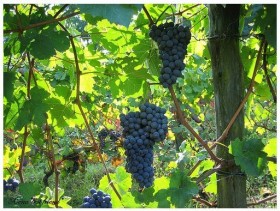
 Like so many Italian red wines, except its powerhouse big brothers Barbaresco and Barolo, a Barbera has that tart, light, berry-like flavor and a texture that seems a little grainy and rough, as if a few seeds of a fresh raspberry had found their way into the bottle and added their own little interesting zip there.
 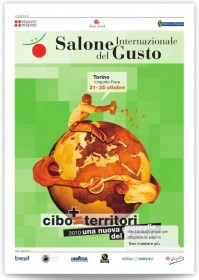 This event is special as the stars of this food expo are the small-scale food producers from all over the world that showcase their products. Moreover, it is about the people just as much as it is about the excellent food as the event enables like-minded producers and buyers to connect in the search for quality food.

 “The other day I had dinner with
 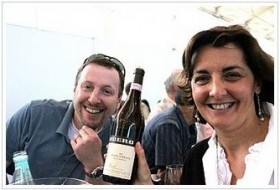 At the dinner hosted at
 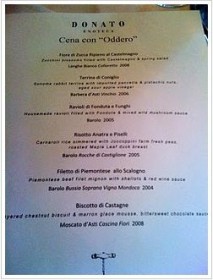 The next day as I attended the Wine Warehouse trade event in San Francisco’s Fort Mason focusing on the new (2006) releases of Barolos, I ran into Mariacristina again. This time I drank her array of 2006’s – the basic Barolo, then Rocche di Castiglione, and finally the Villero. I also re-tasted the 2004 Vigna Mondoca. Oddero’s 2006’s were noticeably more open and less bitter-tannic than all other 2006 Barolos I’d tasted all year, including those from Parusso, Canterno Fantino, Einaudi, and Marcarini. Across the board they have been tough for me to judge due to incredible, hard-as-nails, gum-drying tannins in these young Nebbiolos, although talking to a number of experienced tasters and winemakers themselves, the message has been that 2006 is significantly better vintage than 2005 and more classic than 2004 (2004 shows more fruit while 2006 has more acid, earth, spice and tannin for even longer development). Considering how good the 2004 was, it’s a bold statement for 2006, but at this point I will just have to take their word for it – I could not tell, and will stay away from 2006’s for at least another year until they mellow out somewhat.
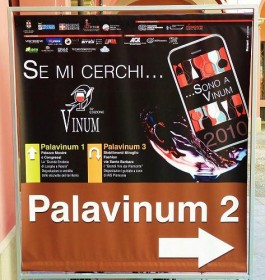 The
The