Tours


When you need a break from eating and drinking all the wonderful Langhe cuisine, here is a suggestion for a few mini-excursion; go visit one of the well restored castles in Cuneo province.

My castle top picks in the Cuneo region are: Castello Roccolo di Busca, Castello Reale di Carlo Felice di Govone and Castello Reale di Racconigi.
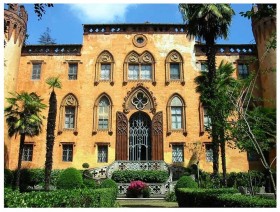
Castello del Roccolo di Busca 1

Castello Roccolo di Busca is located a bit over 30min by car from TorreBarolo and transports one from the rolling vine covered hills of the Langhe to the fruit orchards of the Cuneo valley, the region’s capital.

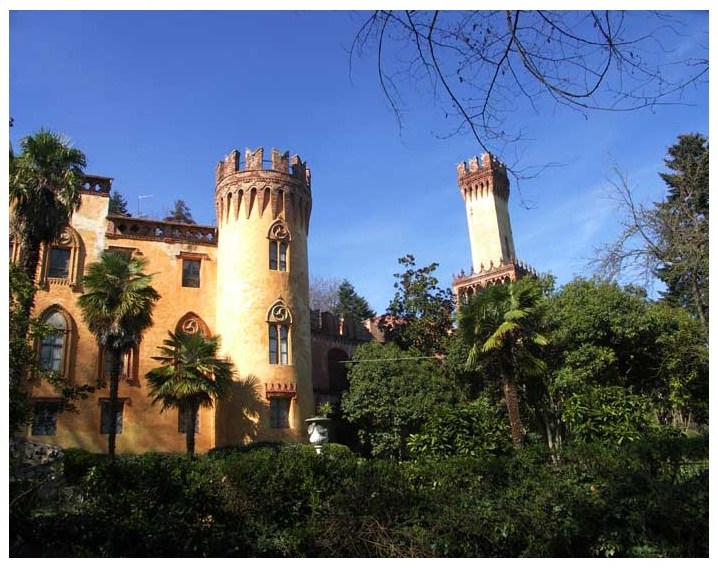
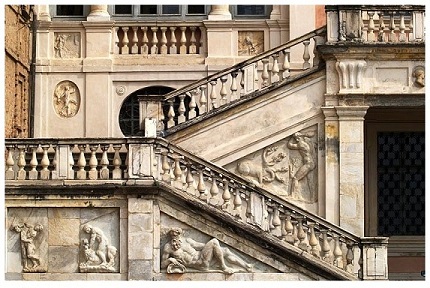
The castle is named after the nets used to catch small birds called “roccoli”. The castle has quite an impressive past having hosted such famous and noble individuals as the famous Italian writer, Silvio Pellico, King Umberto I and Queen Margherita. What I enjoy about the castle is it the neo-Gothic style, which was the fashion around Saluzzo in the mid 1800’s as well as favoured by the Savoy court. The exterior of the castle combines Moorish arches, rose windows and many floral features. Castello del Roccolo di Busca 4
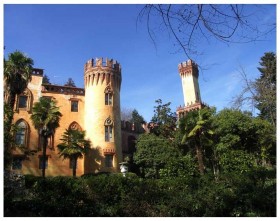
Surrounding the castle is a very large, peaceful and lush park, designed in a Romantic style that contains many paths, look out points and peaceful corners.

Tours are available and access many of the rooms in the main building before continuing to the monumental conservatory and then into the gardens.

Although the town of Busca is not on my “must see list” after touring the castle you are only 20mins from Saluzzo or else if you want to cool off in the Alps, one can head into the Upper Maira Valley where one can find woods and walking trails, a paradise for hikers and mountain bikers.
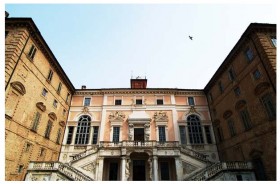
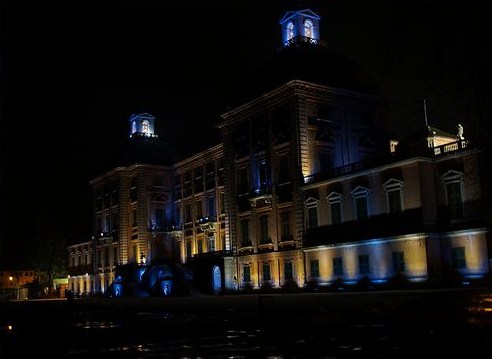
Castello Reale di GovoneCastello Reale di Carlo Felice di Govone is located 30mins from Barolo in the hilltop town of Govone, which easily can be reached from the autostrada direction Asti.

The castle is mentioned in a bill of sale from 989 when it was likely a very medieval structure typical of the Monferrato fortresses, but the current structure is the result from a major rebuilding effort carried out in the 13th century by the Solaro counts, including Count Giuseppe Roberto Solaro.

The castle exchange hands many time in the 1800’s to finally be acquired by the Ovazza Segre family who handed it over to the municipal government in 1897.
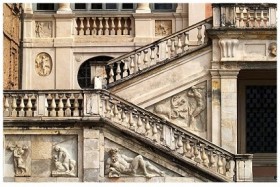
Castello Reale di Govone 2In 1997, UNESCO designated it a World Heritage Sites. A series of careful restoration works are returning the castle to its original splendour, within the splendid setting of its vast park.

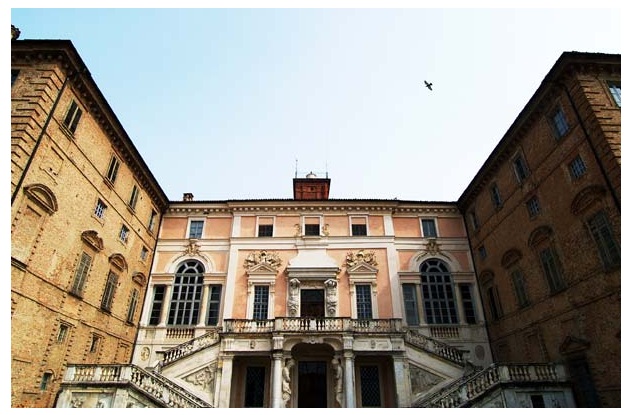
The castle is an imposing brick structure with a façade rich in decoration and sculptures. The whole building is bordered to the north and west by a vase English style garden and to the east bygarden of fountains, trees and flowerbeds.

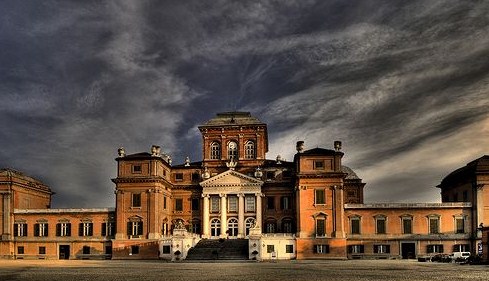
Castello Reale di Racconigi is located 40min north of Barolo, exit the A6 direction Torino at Carmagnola. It is considered “a must see” of the royal Savoy residences.
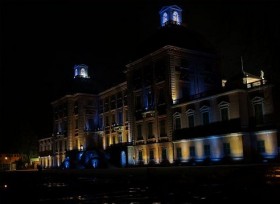
Castello di Racconigi 4The castle was originally built as a mighty military fortress at the end of the 12th century/beginning of the 13th century by the marquises of Saluzzo. After exchanging hands many times, it was then in the 16th century the Savoys transformed it from a fortress into a residence by Prince Emanuele Filiberto Amedo, then heir to the throne of Savoy.

During the Jacobin revolts of the late 18th century the castle suffered occupation and the confiscation of goods by the French troops, but after a period disuse, it returned to the Savoy family, more specifically, Charles Albert who had the architect Palagi oversee the refurbishment and also was responsible for works on the park, which he designed in English neo-Gothic style.
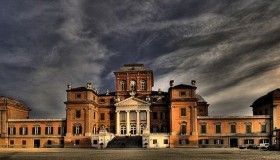
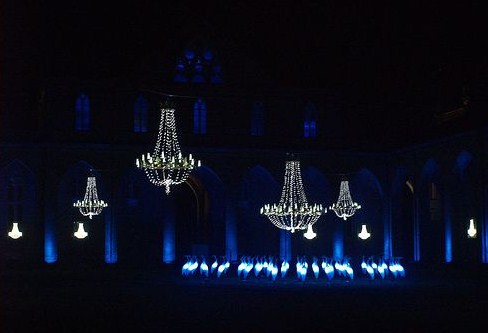
Castello di Racconigi 14When the capital of Italy was moved from Turin to Rome, the castle was a favorite residence of the royal family and was used as a summer residence during the mid-1800s. The castle’s last owner was Umberto II, who received it from Victor Emanuel III as a wedding gift.

The castle is noteworthy for its majestic architecture as well as its varied interior which contain different periods and styles of woodwork, painting, stucco etc. It is admired for retaining the atmosphere of a house that documented the lifestyle of 19th and 20th century royal family.

The public can visit the first and second floors, the kitchens and the park.
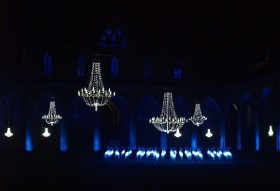
Castello di Racconigi 3The castle is open from 9-18:30 Tuesday to Sunday. Tickets are €5. The park at the castle is open Tuesday to Sunday from 10-19 and tickets for access to the garden are €2.

There is a cafeteria to enjoy refreshments.

These 3 are part of an initiative called Castelli Aperti (Open Castles) that open to the public from May until October 90 historical residences that otherwise would be hard to access as many are privately owned.

The Castello Del Roccolo di Busca is open April 5th – October 31st, though closed in August. Check this website below for opening hours but generally from 14:30 to 19:00. Entrance is €5.

Castles of Piemonte: here you can find many more beautiful pictures of our favourite castles in Piemonte.

CASTELLO DEL ROCCOLO DI BUSCA
Frazione San Quintino, 17
12022 Busca (CN)
Tel: +39 0171 618260
Email: zelda.beltramo@marcovaldo.it

CASTELLO REALE DI CARLO FELICE DI GOVONE
Piazza Roma, 1
12040 Govone (CN)
Tel: +39 0173 58103
Email: segreteria@comune.govone.cn.it

CASTELLO REALE DI RACCONIGI
Via Morosini, 3
12035 Racconigi (CN)
Tel: +39 0172 84005
Email: comunica@castellodiracconigi.org
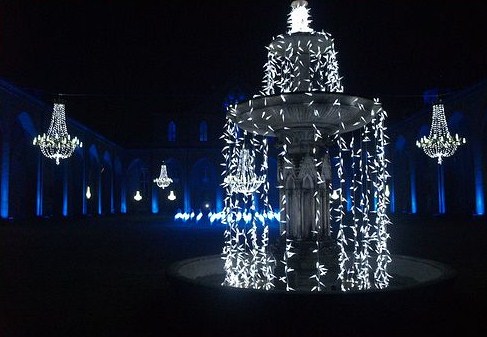
Castello Reale di Racconigi 11

  • Bebo
  • Delicious
  • Digg
  • Facebook
  • Google Bookmarks
  • LinkedIn
  • MySpace
  • Reddit
  • Squidoo
  • StumbleUpon
  • Yahoo Bookmarks
  • Yahoo Buzz
  • Technorati Favorites
  • Blogger Post
  • Google Gmail
  • Hotmail
  • AOL Mail
  • Google Reader
  • Yahoo Mail
  • Google Buzz
  • Mixx
  • Propeller
  • Share/Bookmark

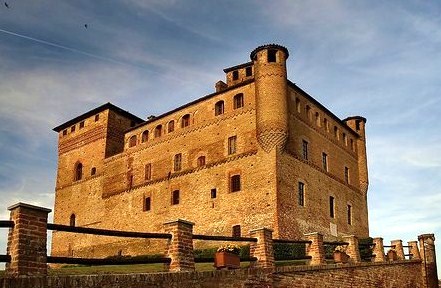
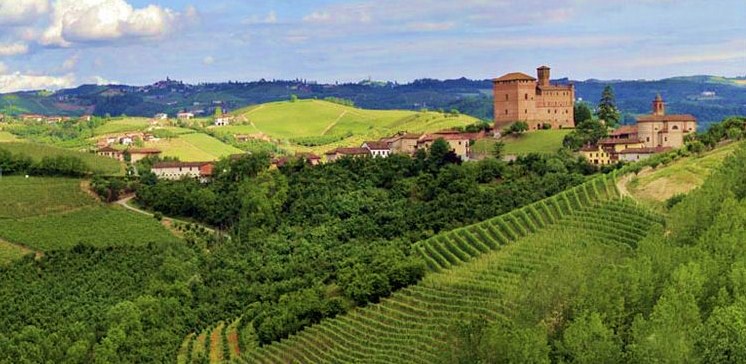
One of my favourite places to go in the Langhe to enjoy a dramatic setting among the rolling hills is the Grinzane Castle in Grinzane Cavour, less than a 10minute drive from TorreBarolo.

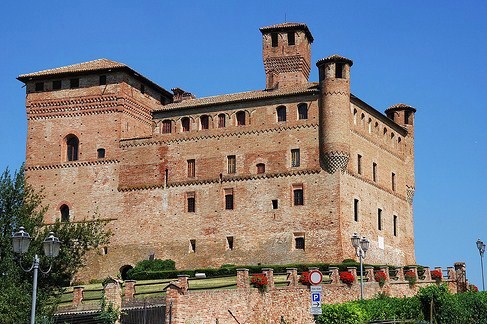
Grinzane Cavour CastleThe castle is an imposing building erected around a central tower that dates back to the 1st half of the 11th century and post a restoration in 1960 it can be admired in all of its original beauty. Moreover, by being set off from the town and surrounded by vineyards on three sides, it has one of the most spectacular settings in the Langhe.

The castle currently is homes to numerous facilities. On the ground floor is the Piedmontese Regional Enoteca, which was the first to be set up in Piedmont back in 1971. This enoteca showcases the very best regional wines and grappas and each wine goes through a strict selection process before being displayed and placed on sale. The enoteca provides tastings as well.

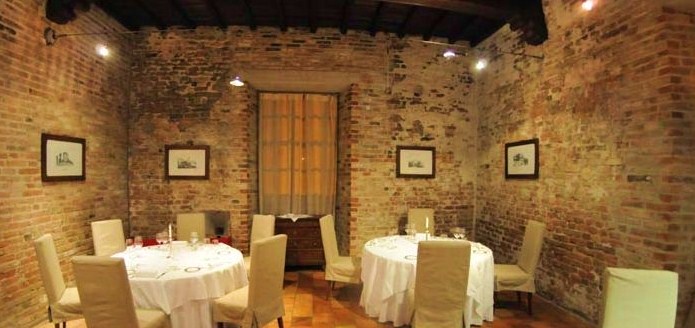
Ristorante al Castello Grinzane CavourWhen my wine fanatic friends are visiting me at TorreBarolo, I always bring them here as from my experience it does have the best selection of the regional offerings and offering good one stop shopping. Here you can find a list of all the wineries represented in the Enoteca Regionale. On the 1st floor is the Hall of the Masks as well as a restaurant and bar. The Hall of the Masks is where the Order of the Knights of the Truffle and Wines of Alba as well as the National Association of Cheese tasters celebrates its Chapters. The Restaurant Al Castello offers a unique setting; however, it is the bar that I think is worth making a special stop for as it has a huge window that frames the surrounding vineyards that makes for a breath-taking venue to have a café or aperitif.

Castello di Grinzane Cavour (2)Several of the castle’s rooms are dedicated to ethnography and the castle houses a permanent museum which includes truffles, rare articles relating to local food and wine traditions as well as kitchen setting from the 17th century.

Every November the castle is home to the world famous White Truffle Auction where celebrated chefs from throughout Italy and the world attend to participate in the live worldwide auction for the finest Albese white truffles. It is not unusual for the most select truffles to go for over €100,000.

Opening hours are 09.30 – 19.00 (April to October) and 09.30 – 18.00 in the winter months. The castle is closed on Tuesdays.

Castello di Grinzane Cavour

  • Bebo
  • Delicious
  • Digg
  • Facebook
  • Google Bookmarks
  • LinkedIn
  • MySpace
  • Reddit
  • Squidoo
  • StumbleUpon
  • Yahoo Bookmarks
  • Yahoo Buzz
  • Technorati Favorites
  • Blogger Post
  • Google Gmail
  • Hotmail
  • AOL Mail
  • Google Reader
  • Yahoo Mail
  • Google Buzz
  • Mixx
  • Propeller
  • Share/Bookmark

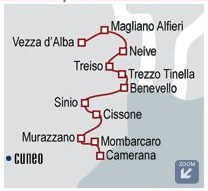
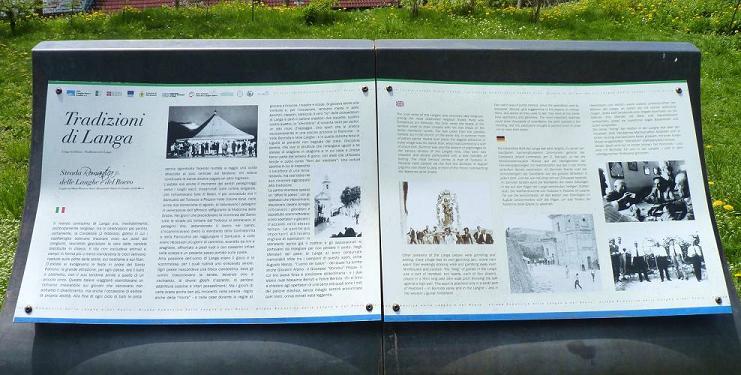
Something that I did last time I was in Barolo, that I would recommend to guests at TorreBarolo or to the Langhe in general is to drive the Strada Romantica delle Langhe e del Roero (the Romantic Road). It is an itinerary to discover some of the regional most beautiful and interesting panoramic points. Each of the 11 stopping points was chosen for its special position and view on the natural landscape of the Langhe and Roero region. Moreover, there are informative panels at each of these stopping points that relate stories about the land. Although many people come to the Langhe because of its world class wines, truffles and local delicacies, the breathtaking landscape that remains intact and unchanged will surely have you understand why the region has been proposed for the UNESCO World Heritage List.

The Strada Romantica starts off at Vezza D’Alba, which is about 20min by car from TorreBarolo, or Camerana, which is further afield from Barolo. The distances don’t seem far but given the numerous switch back roads, I would ensure you have set aside plenty of time to meander through these landscapes that vary from the lush vineyards of the Langhe to the hazelnut orchids and the hilly forest of the Alta Langa.

11 stopping points Romantic Road Langhe and Roero You can get here a detailed PDF map of the Strada Romantica 11 stopping points.

The panoramic stopping points consist of:

1. Vezza d’Alba: steep hills, deep gorges and cliffs: these are the famous Rocche of the Roero region, on the left side of the Tanaro River. Vezza d’Alba was built here more than one thousand years ago; the ruins of the castle that belonged to the Roero family until the 17th Century are a vestige of its feudal age. In Vezza we suggest you visit the nice Baroque Church of San Bernardino and two other interesting churches: the Parish church of San Martino and the Shrine of the Madonna dei Boschi, which is located between the hamlets of Valle Sanche and Valle Maggiore.

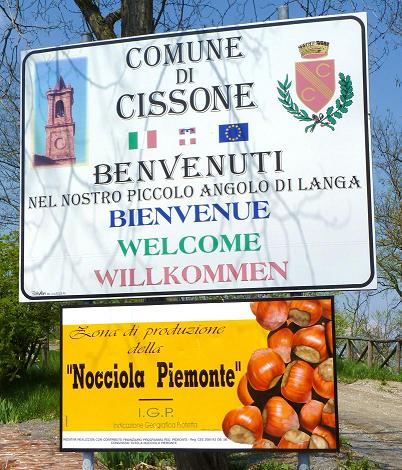
Cissone - Terra della Nocciola Piemonte2. Magliano Alfieri: it used to be the “kingdom” of the Alfieri family, who commissioned the construction of the imposing castle between 1660 and 1680 that dominates the town centre, and which was the residence of one of the most important Italian poets, the young Vittorio Alfieri. The castle, where you can also find the noble chapel of the Santo Crocefisso, is the property of the town hall. 

3. Nieve: worth noting are the Clock Tower, which is the last vestige of the old castle, the Baroque Arch-Confraternity of San Michele with its precious wooden portal, Cotto’s House with beautiful ceilings and fireplaces of the 18th Century. Outside the village, along the Tinella torrent on the way to Mango, in the countryside you will also find a marvellous Romanesque bell tower, which belongs to the fascinating Church of Santa Maria del Piano.

4. Treiso: besides the classical Baroque style Parish Church dedicated to the Blessed Virgin of the Assumption, around the town stand numerous rustic chapels and commemorative pillars, among them the War memorial in remembrance of the heroes of the Resistance. In autumn in the hills of Treiso, Neive and Barbaresco, the Nebbiolo grapes are harvested, from which the renowned Barbaresco wine is made.

Tradizioni di Langa5. Trezzo Tinella: on the border between the Langhe and Monferrato, Trezzo Tinella, a tiny village set among the woods. Points of interest in the village are the Parish of Sant’ Antonio Abate, a typical Piemontese neoclassic construction with barrel vault, and the Chapel of Sant’Anna ai Fiori.

6. Benevello: it is the first point of the Alta Langa. The historic centre of Benevello has its nucleus in the square, where the castle stands, probably erected around 1100 for surveillance over the road that leads from the Langhe to Alba.

7. Sinio: this village is dominated by the castle, built on the ruins of a previous manner, destroyed by the Sforza family in 1431, it was rebuilt on the wishes of the Del Carretto family, in front of which stands the Chapel of San Sebastiano. The deconsecrated Church of the Madonna Annunziata of the 17th Century is host to the Town Theatre of Sinio.

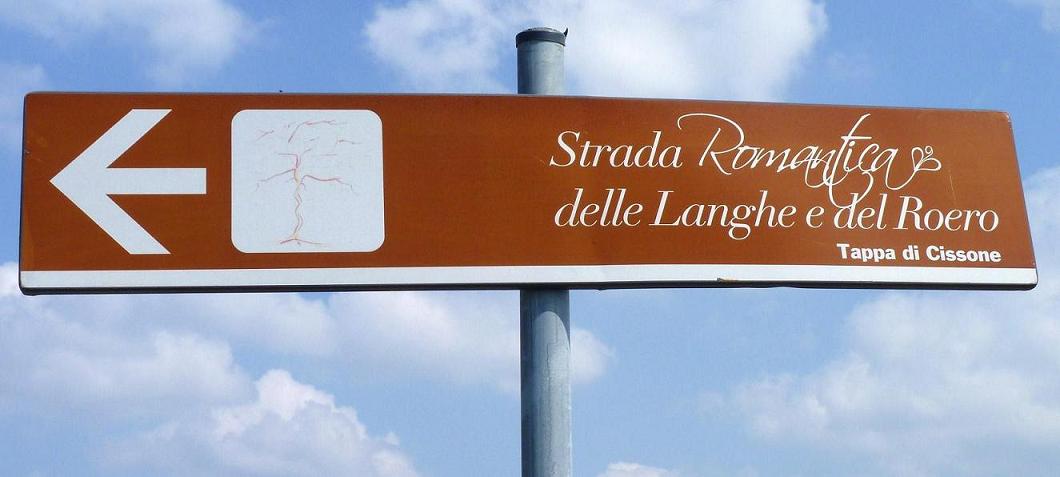
Strada Romantica - Tappa di Cissone8. Cissone: this village dominates the small valley hollowed out by the Riavolo torrent. The surrounding woods are crossed by many paths where you can enjoy relaxing walks. The main village square is situated among the Brotherhood church of the Disciplinati (with an original Baroque altar), the Town Hall and the Parish Church, and is dominated by the Church dedicated to Santa Lucia.

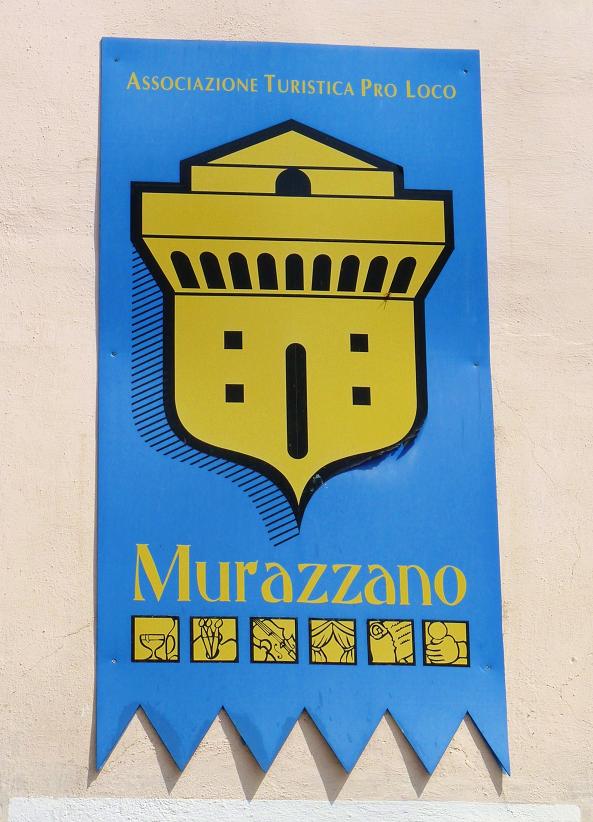
Strada Romantica - Tappa di Murazzano9. Murazzano: this village was built in strategic position and it has the most well-kept tower among the many watchtowers which were built on the Higher Langa hills, as the Saracens often plundered this region. The Shrine of the Madonna di Hal with the Buzignano Gate, which marked the boundary of the old town, and the Church of San Lorenzo are worth seeing; I also suggest you also visit the beautiful Tovegni Palace, which was built in an eclectic style and shows two majestic Art Nouveau dormer windows.

10. Mombarcaro: here the view opens out from the Maritime Alps to the perpetual snow of the Monte Rosa. I suggest you visit the historical and ethnographical museum, the Church of San Rocco with the “Cavalcade of the deadly Sins”, the beautiful frescos by Antonio Ocello from Ceva and the Sanctuary of the Madonna delle Grazie (in the hamlet of San Luigi). 

11. Camerana: this village is made up of various hamlets extending on to a broad valley along the Bormida River from Bormida valley to the upper Belbo valley. The Baroque Church of S.S. Annunziata with its precious high altar made of fine polychrome marble mosaics and the peculiar leaning bell tower is worth visiting. The nature of the region will surprise you: the Riserva Naturale (Wildlife Sanctuary) Sorgenti del Belbo, which is located among the villages of Montezemolo, Camerana and Saliceto, is a particular, unique and uncontaminated part of the Langhe. The area is perfect for trekking, horse riding and cross-country skiing in the winter.

  • Bebo
  • Delicious
  • Digg
  • Facebook
  • Google Bookmarks
  • LinkedIn
  • MySpace
  • Reddit
  • Squidoo
  • StumbleUpon
  • Yahoo Bookmarks
  • Yahoo Buzz
  • Technorati Favorites
  • Blogger Post
  • Google Gmail
  • Hotmail
  • AOL Mail
  • Google Reader
  • Yahoo Mail
  • Google Buzz
  • Mixx
  • Propeller
  • Share/Bookmark

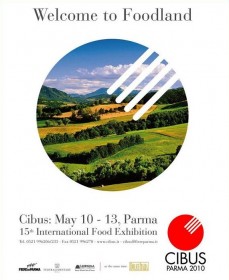
One fun element to spending time in Italy is getting to participate in the numerous food and wine exhibitions the country hosts each year. The main one I am looking forward to this year is Salone del Gusto 2010 in association with Slow Food and will be held in Turin, October 21-25 (advance booking recommended, the official program will be announced on Wednesday 19th of May). Cibus 2010 in Parma - Italy

However, starting today in Parma is the 15th edition of Cibus, the International Food Exhibition. Together with Dolce Italia, the Confectionery Exhibition, the organizers are expecting more than 60,000 visitors over this 4 days event.

Now given the abundance of food exhibitions in the country why would I highlight this event? One simple answer: Parma. I am a big Parma fan and I am not talking just about the prosciutto. Parma can be reached in less than two hours from TorreBarolo and is a wonderful city to walk around given its long shop lined pedestrian streets and lovely porticos. Parma is continually cited as one of the best Italian cities to live in and an afternoon walking around this elegant city will surely provide you with an insight as to why it gets this ranking.

Anyway, back to Cibus. What you can expect to find will be representatives of European and International retail chains and for the first time, an exhibition area has been set aside for foreign retail chains to display their premium brand lines.

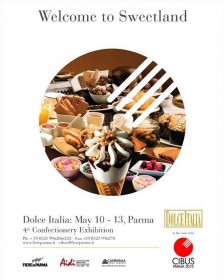
Dolce Italia 2010 in Parma - ItalyCIBUS will also host “Dolce Italia, the Confectionery Salon” and “Planet Nutrition” which is a new initiative consisting of courses and seminars on topics such as baby food, diet and sports, nutrition for the elderly, and much more.

In the large “Eating Out” Piazza will also include a bar as well as a restaurant area and theme this year will be “Breakfast”, with demonstrations and tasting sessions for breakfast products, from pastries to coffee, fruit juices to cereal-based products. Another innovation will be “CIBUS in the City”, with kiosks by leading food companies located in Parma’s streets and piazzas offering tastings.

So, if you are interested in both Italian and European food products and fancy a visit to one of Italy’s nicest cities, then a visit to Parma for CIBUS is a great day out.

  • Bebo
  • Delicious
  • Digg
  • Facebook
  • Google Bookmarks
  • LinkedIn
  • MySpace
  • Reddit
  • Squidoo
  • StumbleUpon
  • Yahoo Bookmarks
  • Yahoo Buzz
  • Technorati Favorites
  • Blogger Post
  • Google Gmail
  • Hotmail
  • AOL Mail
  • Google Reader
  • Yahoo Mail
  • Google Buzz
  • Mixx
  • Propeller
  • Share/Bookmark

Only 45mins from TorreBarolo, you can be in downtown Turin.  I understand if Turin might not be on your list of “Must Sees” if you only have a week of holiday in the Langhe but I would strongly suggest even an afternoon as it has some of the finest cafes in Europe, wonderful promenades and a strong sense of history that will surely enhance your holiday experience. Caffè San Carlo

Turin has its share of beautiful palazzos and interesting museums but to get a sense of the city’s gracious past, exploring the cafes is a fun way to do this. In experiencing these cafe’s decor, you see that Turin‘s great era has more in common with Paris than with Rome.  I suppose with all these cafes it should not be surprising Turin also is home to the largest coffee company in Italy, Lavazza. They even have their own training center where you can take a class on everything coffee but it is for professionals only.

Torino also produces some of the finest chocolate in Italy as well and often you find in Torino coffee and chocolate are often combined. Gianduia is a good example of their excellence in chocolate, as the blending with hazelnuts (from the Langhe) creates a deliciously sweet confection. Baratti & Milano
Below are a few suggestions of caffès and sweet shops, though don’t  leave it to a Sunday as almost all these shops are closed on Sunday and even some of the caffès and some even on Monday.

Bars/Caffès:

 Caffè-Pasticceria Baratti & Milano, Piazza Castello 29, closed Monday. This caffè, which opened in 1875, is known for its quiet elegance. Its gracious rooms are ideal for enjoying a coffee or tea with a delicious pastry.

Caffè-Confetteria al Bicerin, Piazza della Consolata 5, closed Sunday afternoon and all day Wednesday. Although this is a bit tricky to find, it is a landmark not to be missed. It is Torino’s oldest locale in continuous operations (since 1763) and it can claim both Nietzsche and Alexandre Dumas as regulars. Bicerin is named for its most popular drink, which is a combination of hot coffee, chocolate and light cream. I can definitely say this is a “must experience” drink and given the quality and richness of the ingredients, dare I say I didn’t even need a pastry to accompany my beverage. The word Bicerin comes from Torinese dialect that means “something delicious”. If a hot drink might not be what you are after on a summer evening, they also make a light refreshing chocolate drink called cioccolato freddo. Bicerin at Baratti & Milano (in Turin)
Caffè del caffè, Piazza Carlo Felice 49. Many locals say this beautiful bar has the best coffee in town.

Caffè Mulassano, Piazza Castello 15, closed Sunday. This is a classic cafe and considered by many to be one of the most beautiful. It opened in 1907 and its decor reflects a taste for the exotic that influenced the art and design in Torino at the time.

Caffè San Carlo, Piazza San Carlo 156, open weekdays and weekends until 2 on Saturday and 1 on Sunday. Opened in 1837. A perfectly square room, a neoclassical hall of 12 mirrors with a huge Venetian chandelier above.

Caffè Torino, Via Roma 204 (Piazza San Carlo). Closed Sunday. Opened in 1903. They have seating outside under the porticos but the elegance of the decor on the inside is what I enjoy. Inside there is a long carved wood bar on the left and on the right is a display case with chocolate, tiny pastries, gelatine (candied fruit) and breakfast pastries.  Baratti & Milano (in Turin)

Sweets:

Confetteria Avvignano, Piazza Carlo Felice 50. Closed Monday morning and Sunday. This has been a sweet shop since 1882.

Falchero, Via San Massimo 4 (just off Via Po) Closed on Monday and 3 weeks in August. Famous for tiny fresh creamy pasticcini that weigh only 10g and contain relatively little sugar. You can taste the flavours of all the ingredients.

Peyrano, Corso Moncalieri 47: considered the best chocolate maker in Torino. They can be purchased at Pfatisch (closed Sun/Mon) on Corso Vittorio Emanulele II, 76.

  • Bebo
  • Delicious
  • Digg
  • Facebook
  • Google Bookmarks
  • LinkedIn
  • MySpace
  • Reddit
  • Squidoo
  • StumbleUpon
  • Yahoo Bookmarks
  • Yahoo Buzz
  • Technorati Favorites
  • Blogger Post
  • Google Gmail
  • Hotmail
  • AOL Mail
  • Google Reader
  • Yahoo Mail
  • Google Buzz
  • Mixx
  • Propeller
  • Share/Bookmark

Having been touring the Langhe for over 10 years, I wonder why I have never considered a visit to Acqui Terme, as it is only an hour north of TorreBarolo, and 30 mins of it is autostrada driving. Well, last week I finally made the journey as a new friend of mine, Diana Baur, lives there with her husband Michael and together they own and operate a wonderful B&B.

Acqui Terme - Bollente thermal springsAcqui Terme is an ancient Roman spa town where the mineral rich waters are captured in the towns Terme. In addition to the public Terme, there are private spas and high end hotels that also harness this naturally rich water and it is integral to their various spa treatments, the most well known being the Grand Hotel Thermes.

From Diana’s house, you can see the Alpi mountains of Liguria, so I guess it should be no surprise that this little city (population 23k) has more of a Ligurian than a Piemontese/Langhe feel. The buildings are all shades of pastels and with the palm trees and fountains one feels like they are at a seaside resort vs a  medieval hill top city.

What is most impressive about Acqui Terme is the complete renovation of the historic center. Diana and Michael explained to me that awhile back the residents of the historic town center were given two choices: interest free loans to renovate their buildings or else up and sell to the Comune. Acqui Terme - Grand Hotel Thermes

Well, it was a clever idea because given the wide streets, grand piazzas and pedestrian walkways, it is a pleasure just strolling around the city center as each corner brings a photo opportunity. Diana summed it up well by saying it is a very precious city.

The wines in the area tend to be more Barbara d’Asti, Dolcetto and the sweeter wines (ie. Moscato). Surely booking in a spa treatment would be a pleasurable way to spend part of the afternoon if you venture there (I certainly will try on my next visit) and if you find yourself in the city center around aperitvo time, Diana took me to a lovely wine bar, La Fonte del Vino, that has tables outside in the piazza in the summer time and the best buffet of nibbles I had seen in a long time to enjoy along with your glass of wine.

Acqui Terme - Thermal waters fountainSo, of all my “A” neighbours, Acqui Terme would be #1 on my list. Alessandria #2, and Asti comes in a poor #3 relative to the competition. As I mentioned earlier on, Aqui Terme is only 1 hour away from TorreBarolo, but if you want to spend more time in this little gem, I’d highly recommend you booking at Diana’s B&B.

Related Posts with Thumbnails
  • Bebo
  • Delicious
  • Digg
  • Facebook
  • Google Bookmarks
  • LinkedIn
  • MySpace
  • Reddit
  • Squidoo
  • StumbleUpon
  • Yahoo Bookmarks
  • Yahoo Buzz
  • Technorati Favorites
  • Blogger Post
  • Google Gmail
  • Hotmail
  • AOL Mail
  • Google Reader
  • Yahoo Mail
  • Google Buzz
  • Mixx
  • Propeller
  • Share/Bookmark

Next Page »

Get Adobe Flash playerPlugin by wpburn.com wordpress themes